
By Shambhavi
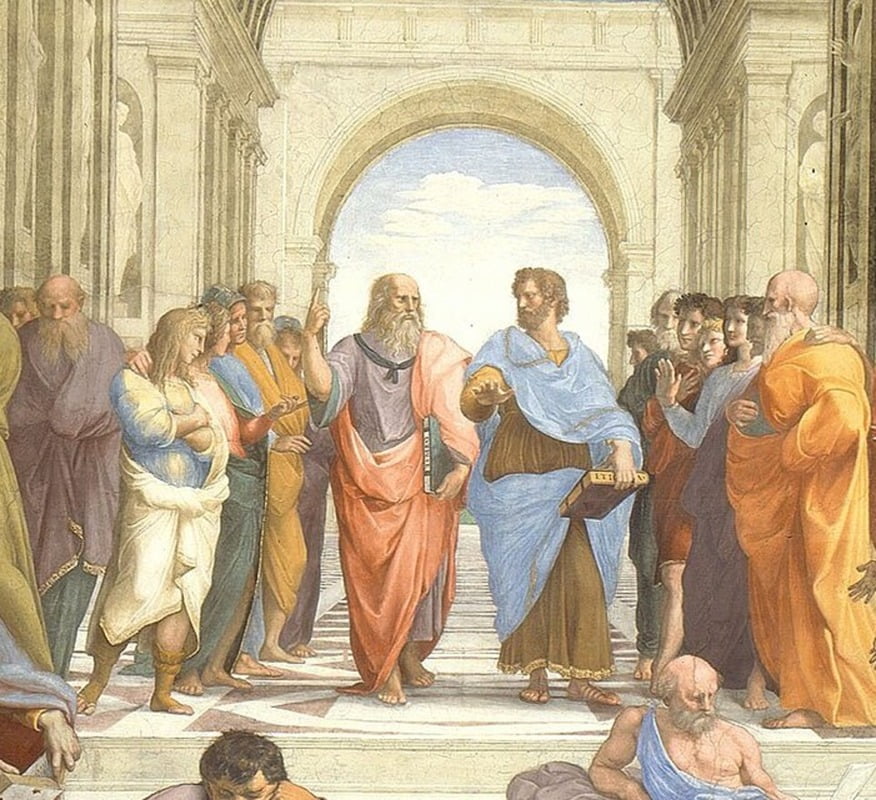
The conflict between economic dependence and political independence is not unique to the modern state. Plato and Aristotle both considered autarkeia, or self-sufficiency, important to the ability of the polis to govern itself, although they differed on how much foreign commerce a state should accept. Neither believed that complete isolation was possible, but both recognised that dependence on the outside world could have political consequences.
Plato was more restrictive in his approach to foreign commerce. He accepted that economic self-sufficiency was not always possible and that a state would have to import goods it could not produce itself. However, he associated extensive trade with excessive consumption, inequalities in wealth, and the introduction of external influences into the polis. As such, his preference was for foreign commerce to remain limited and controlled by the state.
Aristotle was less restrictive. While he also considered self-sufficiency important, he argued that commerce could improve the material conditions of a community and serve the interests of its citizens. A good government should understand what other states could provide, what its own state could offer in return, and maintain relations with those on whom it was economically dependent. His approach therefore allowed greater economic engagement while continuing to place it within the political interests of the state.
The distinction between the two is useful in understanding autarkeia today. Complete economic self-sufficiency is difficult to reconcile with a globalised economy in which states rely on foreign markets, resources, technology and supply chains. However, governments continue to treat dependence differently when it concerns areas considered important to national security. Energy security, critical minerals, food, semiconductors and supply-chain resilience have consequently become questions of foreign policy as much as economics.
In this sense, autarkeia remains relevant even if the economic model associated with it does not. Plato’s suspicion of extensive foreign commerce appears difficult to apply to the modern state, while Aristotle’s acceptance of commerce under conditions that preserved the interests of the community is more familiar. Both, however, recognised a problem which remains unresolved: a state may benefit from economic interdependence while also becoming politically constrained by it.
 The Whole Past
Leave a comment